
 Send Inquiry
 08037735649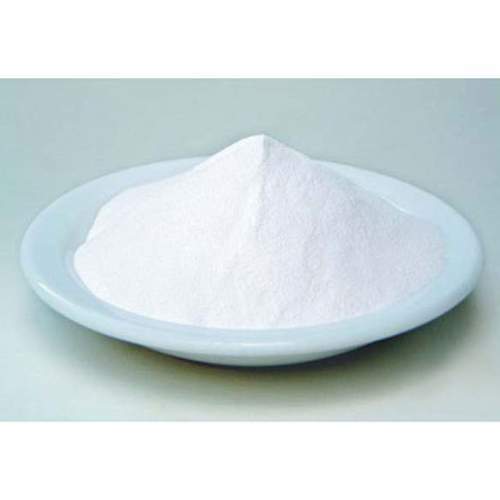
Sodium Selenite
1300.0 INR/Kilograms
Product Details:
- Molecular Weight 172.94 g/mol Grams (g)
- Storage Other
- Boiling point Not Defined (Decomposes)
- Structural Formula Na2SeO3
- Molecular Formula Na2SeO3
- Other Names Disodium selenite
- Density 2.62 Gram per cubic centimeter(g/cm3)
- Click to View more
X
Sodium Selenite Price And Quantity
- 500 Kilograms
- 1300.0 INR/Kilograms
Sodium Selenite Product Specifications
- Other
- Other
- 9.0 10.0 (1% solution)
- Powder
- Other
- Crystalline Powder
- 99%
- Sodium Selenite
- 710 C
- Meets reagent grade specifications
- Yes
- 231-191-2
- 28429090
- Soluble in water
- Sodium Selenite
- 172.94 g/mol Grams (g)
- Na2SeO3
- Other
- Not Defined (Decomposes)
- Na2SeO3
- Disodium selenite
- 2.62 Gram per cubic centimeter(g/cm3)
- Selenite
- 0.2 mg/m3 (occupational exposure)
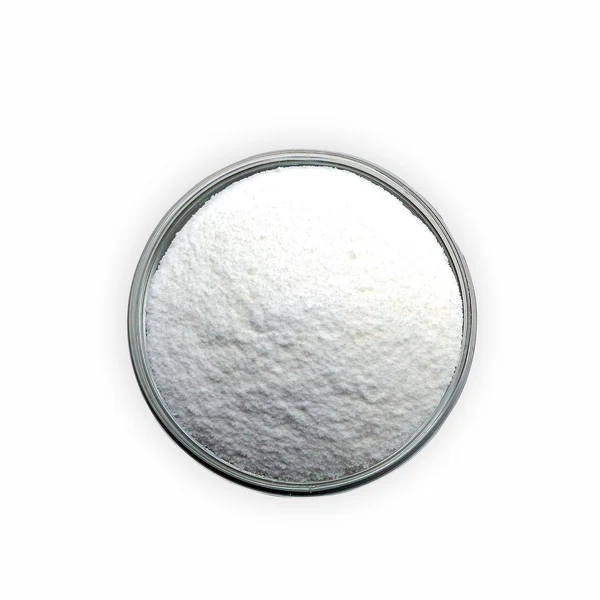
- White to off-white crystalline powder
- 25 kg fiber drum or customized packaging
- Stable under recommended storage conditions
- Listed in REACH and TSCA inventories
- 1.0%
- 2 years
- Releases toxic fumes of selenium and sodium oxide on decomposition
Sodium Selenite Trade Information
- Cash Advance (CA), Cash in Advance (CID)
- 1 Kilograms Per Day
- 1 Week
- Yes
- Free samples are available
- Bag
- Asia, Australia, Central America, North America, South America, Eastern Europe, Western Europe, Middle East, Africa
- All India
Product Description
Sodium selenite is the inorganic compound with the formula Na2SeO3. This salt is a colourless solid. The pentahydrate Na2SeO3(H2O)5 is the most common water-soluble selenium compound. Sodium selenite is mainly used in the manufacture of colorless glass. The pink color imparted by these selenites cancels out the green color imparted by iron impurities.
Because selenium is an essential element, sodium selenite is an ingredient in some food supplements. The US Food and Drug Administration approved a selenium supplement to animal diets, however the most common form is sodium selenite for pet foods.
Sodium Selenite Pentahydrate BP Grade: Ph Eur Na2SeO3,5H2O -- 263.0 -- 26970-82-1
DEFINITION: Content: 98.5 per cent to 101.5 per cent.
IDENTIFICATION
Because selenium is an essential element, sodium selenite is an ingredient in some food supplements. The US Food and Drug Administration approved a selenium supplement to animal diets, however the most common form is sodium selenite for pet foods.
Sodium Selenite Pentahydrate BP Grade: Ph Eur Na2SeO3,5H2O -- 263.0 -- 26970-82-1
DEFINITION: Content: 98.5 per cent to 101.5 per cent.
IDENTIFICATION
- Dissolve 50 mg in 5 ml of a mixture of equal volumes of dilute hydrochloric acid and water and heat to boiling. Add 0.05 g of ascorbic acid; a red precipitate is formed which may become black.
- Dissolve 50 mg in a mixture of 1 ml of dilute hydrochloric acid and 5 ml of water. Add 1 ml of barium chloride solution; the solution remains clear.
- It gives reaction of sodium.
- It complies with the limits of the assay.
- TESTS: Solution S: Dissolve 5.0 g in carbon dioxide-free water and dilute to 50.0 ml with the same solvent.
- Appearance of solution: Solution S is clear and colourless.
- Chlorides: Maximum 50 ppm.
- Sulphates and selenates: Maximum 300 ppm (determined as sulphates).
- Iron: Maximum 50 ppm.
- EINECS: 233-267-9
- Molecular Weight : 172.94
- Sensitive: Hygroscopic
- Appearance: White to off white Crystalline Powde
- Water Solubility: 950 g/L (20° C)
- Selenium Content: 45%
- LOD (By IR): 0.5% max., at 100° C for 1 hr.
- Iron as Fe: 0.005% max.
- Sulphate as SO4: 0.2% max.
- Assay: 98.5% min. ( on dry basis )
Versatile Industrial Applications
Sodium Selenite serves key roles in industries such as pharmaceuticals and glass manufacturing, thanks to its reactivity and purity. Its use as a chemical intermediate aids in the synthesis of various compounds, making it indispensable to modern chemical processes. The products stability and solubility further enhance its suitability for specialized industrial environments.
Safe Handling and Storage Recommendations
Safety is essential when dealing with sodium selenite. Users should store the compound in tightly closed containers, placed in cool and dry locations away from incompatible substances. Proper precautions minimize occupational exposure, as the substance is toxic if ingested or inhaled and decomposes to yield hazardous fumes at high temperatures.
FAQs of Sodium Selenite:
Q: How should sodium selenite be stored for optimal stability?
A: Sodium selenite remains stable when stored in a cool, dry place in a tightly closed container, away from incompatible materials and direct sunlight. This helps preserve its quality and extends the shelf life to two years.Q: What industrial processes commonly use sodium selenite?
A: Sodium selenite is widely incorporated into pharmaceuticals, glass manufacturing, and as an intermediate in chemical production due to its purity, reactivity, and water solubility.Q: When does sodium selenite decompose, and what are the hazards involved?
A: Sodium selenite thermally decomposes at elevated temperatures (melting point: 710C) and releases toxic fumes of selenium and sodium oxide. It is crucial to prevent exposure to high heat and ensure adequate ventilation in processing areas.Q: Where is sodium selenite packaged and distributed, and in what quantities?
A: Manufacturers, suppliers, and exporters in India offer sodium selenite in standard 25 kg fiber drums but customized packaging options are available to meet specific client requirements.Q: What safety measures are required during the handling and use of sodium selenite?
A: Due to its toxic nature, sodium selenite should be handled with gloves and protective equipment in ventilated spaces. Occupational exposure must not exceed 0.2 mg/m, and inhalation or ingestion should be avoided.Q: What are the benefits of using reagent grade sodium selenite in chemical synthesis?
A: Reagent grade sodium selenite meets strict quality specifications, ensuring consistency and reliability. Its high purity and stability contribute to successful outcomes in sensitive pharmaceutical and industrial formulations.Tell us about your requirement

Price:
Quantity
Select Unit
- 50
- 100
- 200
- 250
- 500
- 1000+
Additional detail
Mobile number
Email

Other Products in 'Cattle Feed Chemicals' category

Contact Details
PARTH INDUSTRIES
GST : 24AADPY5559M1ZZ
GST : 24AADPY5559M1ZZ

- Plot No.1640/40, Gidc Sarigam, Near Phansa Chowkdi,Vapi - 396155, Gujarat, India
- Phone :08037735649

- Mr. Dipak Yagnik (Proprietor)
- Mr. Parth Industries (Director)
- Mobile :08037735649
- Send Inquiry
- Factory : Plot No 75 Opp Gokul Oil Mill G I D C Siddhpur 384151 Dist.Patan (North Gujarat)
 Send Inquiry
 Send Inquiry
 Send SMS
 |
PARTH INDUSTRIES
All Rights Reserved.(Terms of Use) Developed and Managed by Infocom Network Private Limited. |
