
 Send Inquiry
 08037735649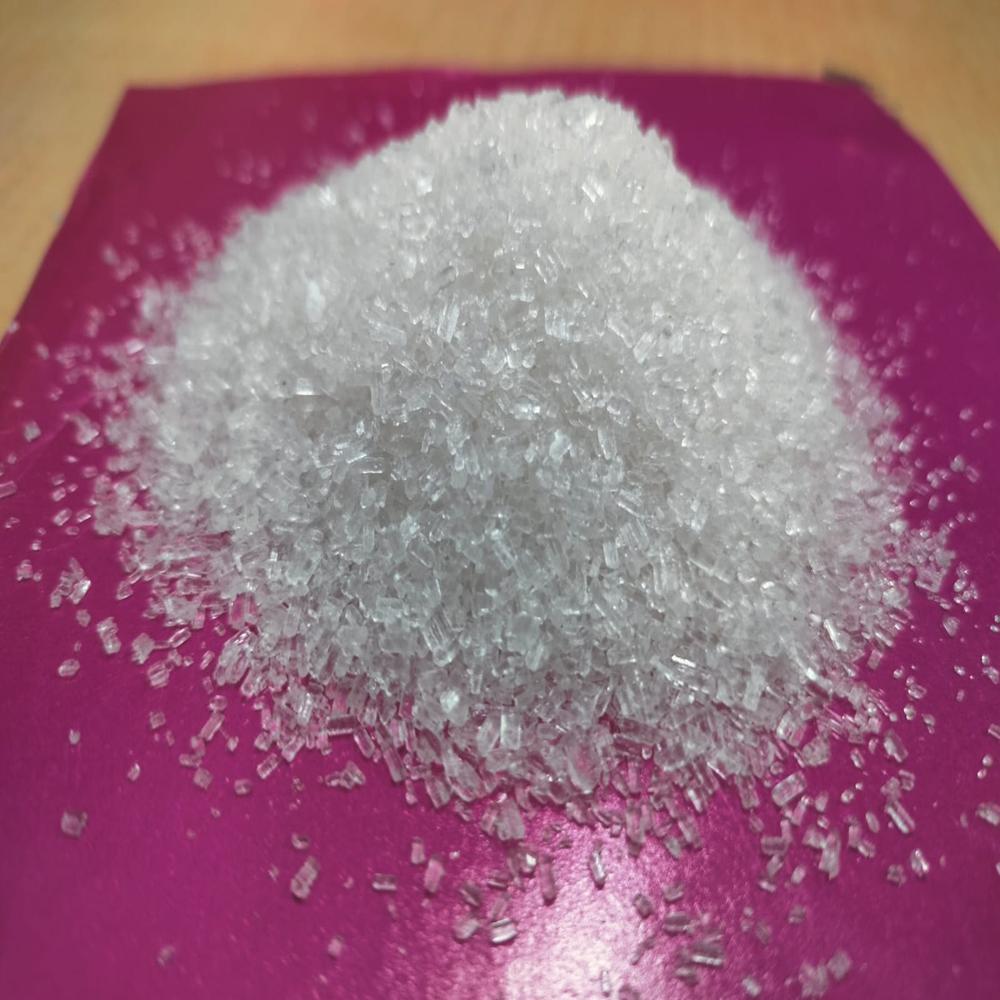
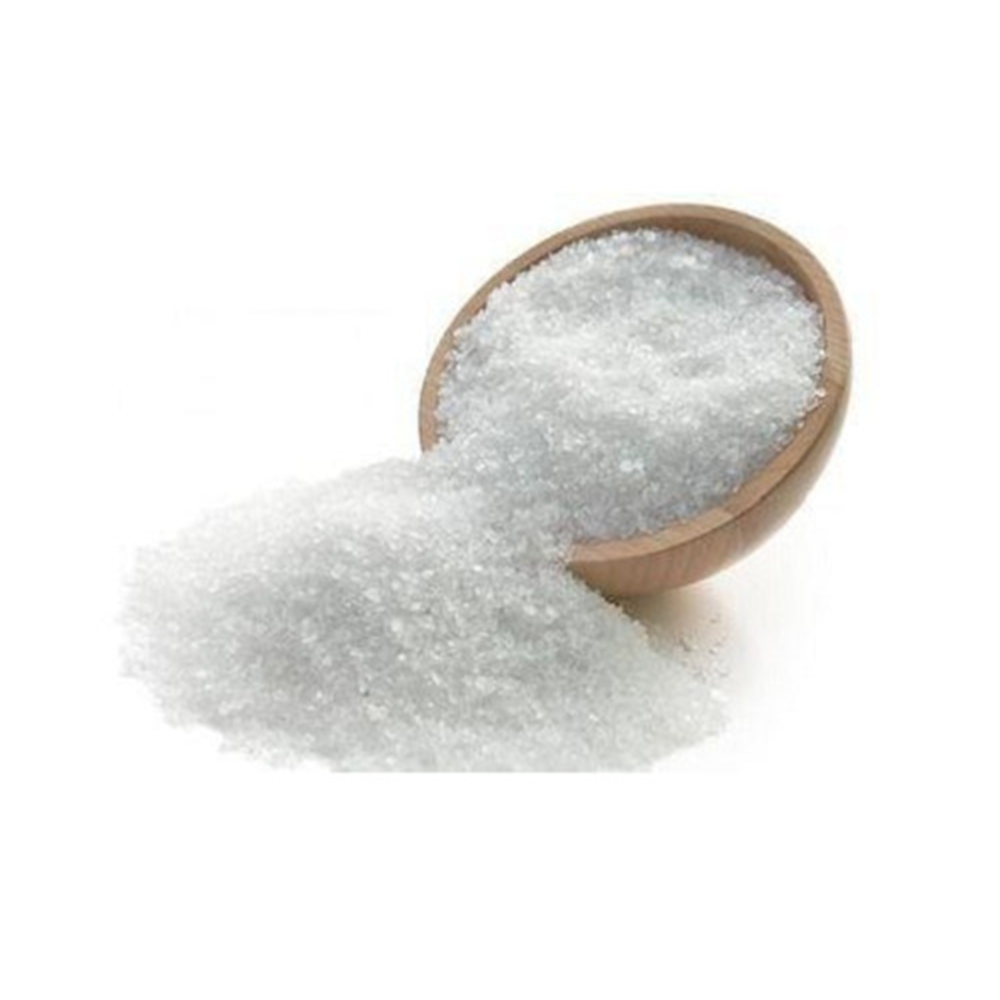
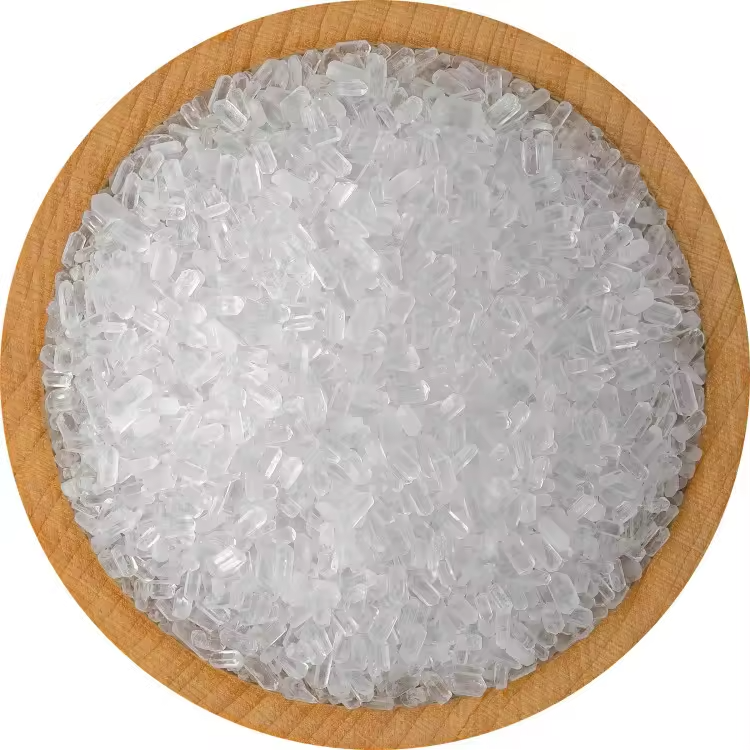
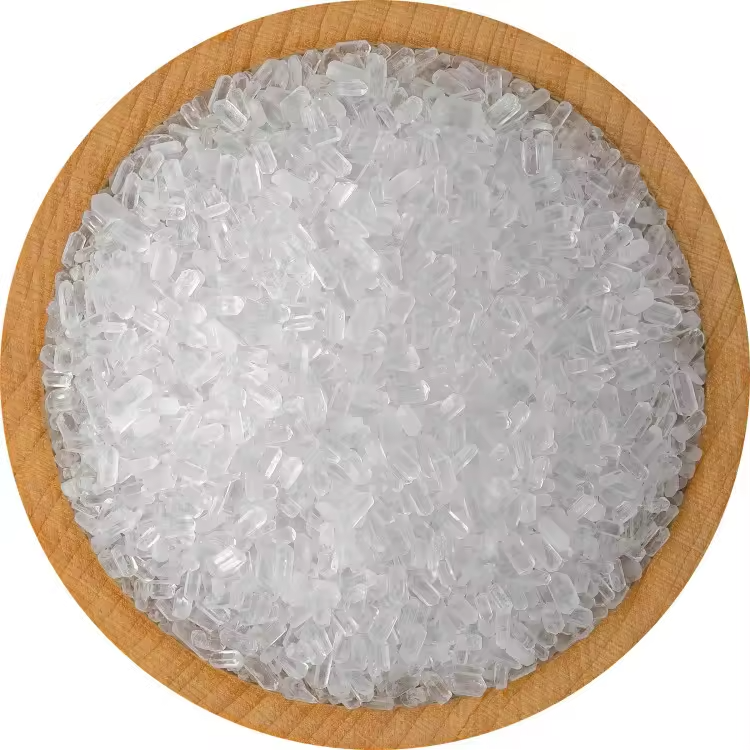
Manganese Sulphate
65.00 INR/Kilograms
Product Details:
- Boiling point Not applicable (decomposes before boiling)
- Taste Other
- HS Code 28332990
- Purity 98% min (depending on grade)
- Melting Point 700 C (Decomposes)
- Molecular Weight 169.02 Grams (g)
- Poisonous No
- Click to View more
X
Manganese Sulphate Price And Quantity
- 65.00 INR/Kilograms
- 500 Kilograms
Manganese Sulphate Product Specifications
- 98% min (depending on grade)
- As per ISO or customer specification
- Other
- 28332990
- Not applicable (decomposes before boiling)
- Used as a precursor to other manganese compounds, in agriculture as a micronutrient, and in feed additives
- Other
- 7785-87-7
- MnSO4H2O (Monohydrate), MnSO4 (Anhydrous)
- Manganese(II) sulfate
- No
- 700 C (Decomposes)
- 169.02 Grams (g)
- Other
- Manganese(II) Sulphate, Manganous sulfate
- 2.95 Gram per cubic centimeter(g/cm3)
- 232-089-9
- Soluble in water
- Other
- Manganese Sulphate Monohydrate or Anhydrous
- Other
- 1.56
- Inorganic Compound
- Yes
- Approx. 4.0 - 6.0 (5% solution)
- Crystalline, Powder, Granular
- MnSO4H2O
- Solid
- Other
- 4.0 - 6.0
- By reduction of manganese dioxide with sulfur dioxide or reaction of manganese carbonate with sulfuric acid
- Crystalline powder or granules
- 25 kg, 50 kg bags or as per customer requirements
- Max 1% for monohydrate
- <10 ppm (as per specification)
- 24 months if stored properly
- 78 g/100 mL
- Pale pink to light red crystals
Manganese Sulphate Trade Information
- Cash in Advance (CID), Cheque, Cash Advance (CA)
- 100 Kilograms Per Day
- 1 Week
- No
- Free samples are available
- Bag
- Central America, North America, Eastern Europe, Western Europe, Middle East, Africa, Asia, Australia, South America
- All India
Product Description
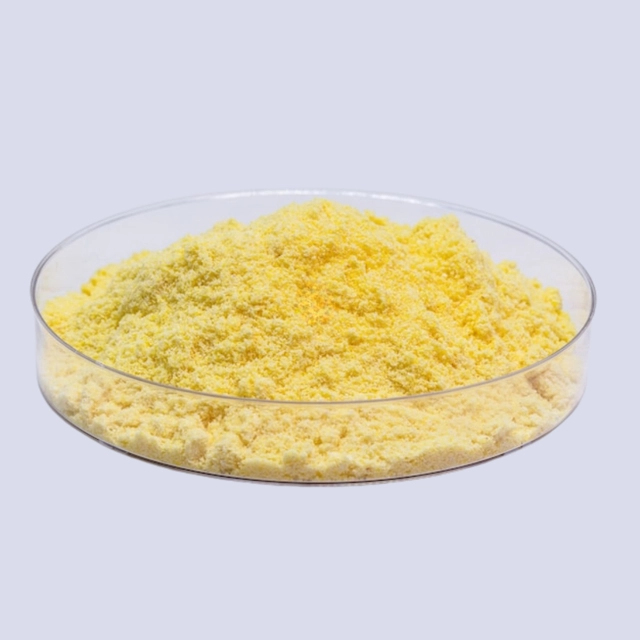
Banking upon in-depth domain knowledge and years of vast experience, we are engaged in offering our clients Manganese Sulphate. This powder is used in synthetic fiber industry, zinc plating, pesticides and water purification. To process this powder, our diligent workforce uses premium quality compounds, sourced from reliable vendors. Packed in air tight containers, these Manganese Sulphate is available in different quantity packaging options. We offer this powder at pocket friendly prices.
Features:
- Non toxic
- Accurate composition
- Highly effective
| Packaging Size | 25-50 kg |
| Color | White |
| Brand | Parth Industries |
| Chemical Formula | Mnso4, H2o |
| Dioxin | 0.00 ppm to 1.00 ng/kg |
| Dissolution (10% soln) | Freely Soluble in water, Practically insoluble in alcohol |
| Grade | Technical Grade |
| Lead Content | 0.00 ppm to 100.00 ppm |
| Mercury Content | 0.00 ppm to 0.10 ppm |
| Molecular Formula | MnSO4 |
| Molecular Weight | 151.001 g/mol |
| Other PCB's | 0.00 ppm to 1.50 ng/kg |
| Arsenic Content | 0.00 ppm to 30.00 ppm |
| Assay Content | 95% to 99.50% |
| Cadmium Content | 0.00 ppm to 30.00 ppm |
| Packaging Type | HDPE Bag |
| Purity | 99% |
| Physical State | Powder |
| Mn Content % | 32% |
Key Features of Manganese Sulphate
Manganese Sulphate appears as pale pink to light red crystals, available in both crystalline powder or granule forms. It is highly soluble in water (78 g/100 mL at 20C) and maintains a pH between 4.0 and 6.0 in a 1% solution. The moisture content for the monohydrate grade is capped at 1%. It is commonly packaged in 25 kg or 50 kg bags, but other sizes are available upon request.
Applications and Usage
This compound finds extensive use in agriculture as a key micronutrient fertilizer, in animal feed additives, and as a precursor in the manufacture of other manganese compounds. Laboratories utilize Manganese Sulphate for research, while industry employs it for chemical synthesis. Its role as a micronutrient addresses manganese deficiencies in soils and animal diets, promoting healthier crop and livestock yields.
Safety and Storage Guidelines
Manganese Sulphate should be handled with care, as it can be harmful if ingested in large quantities or mishandled. Store it in a cool, dry location, away from moisture and incompatible substances. Always follow safety protocols and use protective equipment. While non-toxic in trace amounts, excessive exposure should be avoided.
FAQ's of Manganese Sulphate:
Q: How is Manganese Sulphate produced?
A: Manganese Sulphate is manufactured either by reducing manganese dioxide with sulfur dioxide or by reacting manganese carbonate with sulfuric acid, resulting in a pale pink to light red crystalline product.Q: What are the primary uses of Manganese Sulphate?
A: This compound is mainly used as a micronutrient in fertilizers and animal feed, serves as a precursor for other manganese compounds, and is valuable in chemical synthesis and laboratory applications.Q: When should Manganese Sulphate be applied in agriculture?
A: It is best applied during soil preparation or as a foliar spray when plants show signs of manganese deficiency, as determined by soil or tissue analysis.Q: Where should Manganese Sulphate be stored for maximum shelf life?
A: Store the product in a cool, dry place, far from moisture and incompatible substances, to preserve its 24-month shelf life and maintain product quality.Q: What specifications must be considered before purchasing Manganese Sulphate?
A: Check the grade (technical/industrial/agricultural), purity (min. 98%), heavy metals content (<10 ppm), moisture content, and ensure the packaging size suits your operational needs.Q: How should Manganese Sulphate be handled safely?
A: Use protective gear to avoid ingestion and prolonged contact. The compound is harmful in large amounts, so follow all recommended safety guidelines during handling and storage.Q: What benefits does the use of Manganese Sulphate offer in crops and animal feed?
A: Supplementing with Manganese Sulphate enhances crop growth and yield by addressing manganese deficiency, and it promotes animal health when added to feed, supporting enzyme functions.Tell us about your requirement

Price:
Quantity
Select Unit
- 50
- 100
- 200
- 250
- 500
- 1000+
Additional detail
Mobile number
Email

Other Products in 'Cattle Feed Chemicals' category

Contact Details
PARTH INDUSTRIES
GST : 24AADPY5559M1ZZ
GST : 24AADPY5559M1ZZ

- Plot No.1640/40, Gidc Sarigam, Near Phansa Chowkdi,Vapi - 396155, Gujarat, India
- Phone :08037735649

- Mr. Dipak Yagnik (Proprietor)
- Mr. Parth Industries (Director)
- Mobile :08037735649
- Send Inquiry
- Factory : Plot No 75 Opp Gokul Oil Mill G I D C Siddhpur 384151 Dist.Patan (North Gujarat)
 Send Inquiry
 Send Inquiry
 Send SMS
 |
PARTH INDUSTRIES
All Rights Reserved.(Terms of Use) Developed and Managed by Infocom Network Private Limited. |
