 Send Inquiry
 08037735649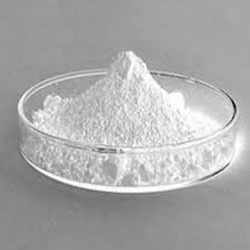
Lithium Sulphate
2200.0 INR/Kilograms
Product Details:
- Ingredients Lithium Sulphate (Li2SO4)
- Taste Odorless
- Physical Form Powder
- Grade Analytical Grade, Technical Grade
- CAS No 10377-48-7
- Storage Other
- Smell Other
- Click to View more
X
Lithium Sulphate Price And Quantity
- 2200.0 INR/Kilograms
- 500 Kilograms
Lithium Sulphate Product Specifications
- Very soluble in water
- 2 Years
- Other
- 10377-48-7
- Analytical Grade, Technical Grade
- Other
- Powder
- Odorless
- Lithium Sulphate (Li2SO4)
- Other
- 28399090
- 109.94 Grams (g)
- White crystalline powder
- 98.50%
- other
- White, crystalline powder; highly soluble in water; hygroscopic
- KHF2
- 859C (decomposes)
- Sulphate
- Weakly acidic
- Lithium source, specialty glass manufacturing, electrolyte in batteries, laboratory reagent
- 233-820-4
- 1.465
- O=S(=O)([O-])[O-].[Li+].[Li+]
- 233-820-4
- Available in 25 kg HDPE drums or as per requirement
- Decomposes before boiling
- Stable under ordinary conditions, hygroscopic
- Not classified as hazardous, handle with adequate ventilation
- N/A (Non-hazardous for transport)
- ISO 9001:2015 Certified Manufacturer
- Approximately 7.5
- Incompatible with strong acids, strong oxidizing agents
Lithium Sulphate Trade Information
- Cheque, Cash Advance (CA), Cash in Advance (CID)
- 100 Kilograms Per Day
- 1 Week
- No
- Sample costs shipping and taxes has to be paid by the buyer
- Bag
- Asia, Central America, North America, South America, Eastern Europe, Middle East, Africa, Western Europe, Australia
- All India
Product Description
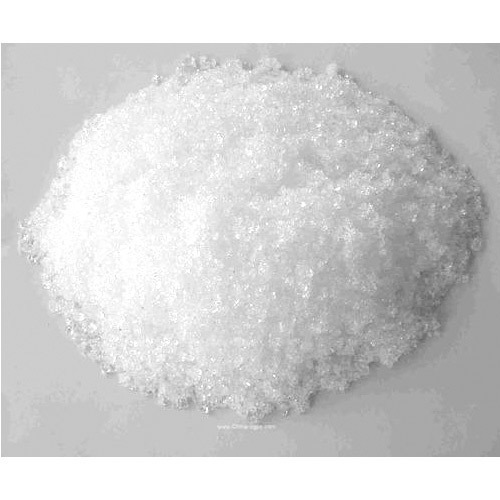
Lithium Sulphate is most commonly utilized for treatment of bipolar disorder, mania, psychosis, & endogenous depression. It has chemical formula Li2SO4 with molar mass of 109.94 g/mol and density of 2.221 g/cm3 in anhydrous form. This compound shows good solubility in water but is insoluble in ethanol, pyridine, & acetone. It is also known to be tested with positive results in Portland cement for faster curing. Lithium Sulphate appears as white colored crystalline solid with hygroscopic nature and has melting & boiling points of 859 & 1377 degrees Celsius respectively.
| Packaging Type | Bag |
| Packaging Size | 25 Kg |
| Physical Form | Crystal |
| Chemical Formula | Li2SO4 Li2O4S |
| CAS Number | 10377-48-7 |
| Molecular Weight | 110.0 g/mol |
| Density | 1.79 g/cm3 |
| Molar Mass | 138.97 g/mol |
| Country of Origin | Made in India |
| Purity | 99% |
| Grade | Technical Grade |
| Usage/Application | Industrial Use |
Stability and Safety Features
Lithium Sulphate is stable under ordinary conditions and classified as non-hazardous. Although not poisonous, it may cause irritation if ingested or inhaled, so proper ventilation is recommended during handling. It is hygroscopic and should be stored in a sealed container to avoid moisture exposure. Its chemical stability and safe handling make it a reliable choice in industrial and laboratory applications.
Versatile Applications
This compound finds use as a lithium source in laboratories, an electrolyte in batteries, and as a key ingredient in specialty glass and ceramic manufacturing. Its high solubility and purity (98.50%) ensure effective performance in pharmaceuticals and analytical processes. Widely supplied across India, it comes from ISO-certified manufacturers, making it suitable for rigorous quality requirements.
FAQ's of Lithium Sulphate:
Q: How should Lithium Sulphate be stored to ensure maximum shelf life?
A: Lithium Sulphate should be kept in its original, tightly sealed container, stored in a cool, dry, and well-ventilated area. This prevents it from absorbing moisture due to its hygroscopic nature and ensures its two-year shelf life is maintained.Q: What are the main industrial uses and benefits of Lithium Sulphate?
A: Lithium Sulphate is utilized in the production of ceramics and specialty glasses, as an electrolyte in batteries, and as a reagent in laboratories. Its high solubility and purity make it ideal for chemical and pharmaceutical applications, enhancing product quality.Q: When is special care required while handling Lithium Sulphate?
A: While Lithium Sulphate is not classified as hazardous, it may cause irritation upon ingestion or inhalation. Always handle it with adequate ventilation and avoid direct contact to minimize any risk of irritation.Q: Where is Lithium Sulphate commonly distributed and in what packaging?
A: Lithium Sulphate is widely distributed throughout India, typically supplied in 25 kg HDPE drums for safety and convenient transport, or customized packaging as per specific requirements.Q: What makes Lithium Sulphate compatible or incompatible with certain substances?
A: Lithium Sulphate is incompatible with strong acids and strong oxidizing agents, which may cause dangerous reactions. It is safe to use under normal laboratory and industrial conditions when these materials are avoided.Q: What are the steps in the process of using Lithium Sulphate as a laboratory reagent?
A: To use Lithium Sulphate as a reagent, accurately weigh the required amount, dissolve it in water as it is highly soluble, and incorporate it as needed in analytical or preparative procedures, ensuring all safety protocols are followed.Tell us about your requirement

Price:
Quantity
Select Unit
- 50
- 100
- 200
- 250
- 500
- 1000+
Additional detail
Mobile number
Email

Other Products in 'Fluoride Powder' category

Contact Details
PARTH INDUSTRIES
GST : 24AADPY5559M1ZZ
GST : 24AADPY5559M1ZZ

- Plot No.1640/40, Gidc Sarigam, Near Phansa Chowkdi,Vapi - 396155, Gujarat, India
- Phone :08037735649

- Mr. Dipak Yagnik (Proprietor)
- Mr. Parth Industries (Director)
- Mobile :08037735649
- Send Inquiry
- Factory : Plot No 75 Opp Gokul Oil Mill G I D C Siddhpur 384151 Dist.Patan (North Gujarat)
 Send Inquiry
 Send Inquiry
 Send SMS
 |
PARTH INDUSTRIES
All Rights Reserved.(Terms of Use) Developed and Managed by Infocom Network Private Limited. |
