
 Send Inquiry
 08037735649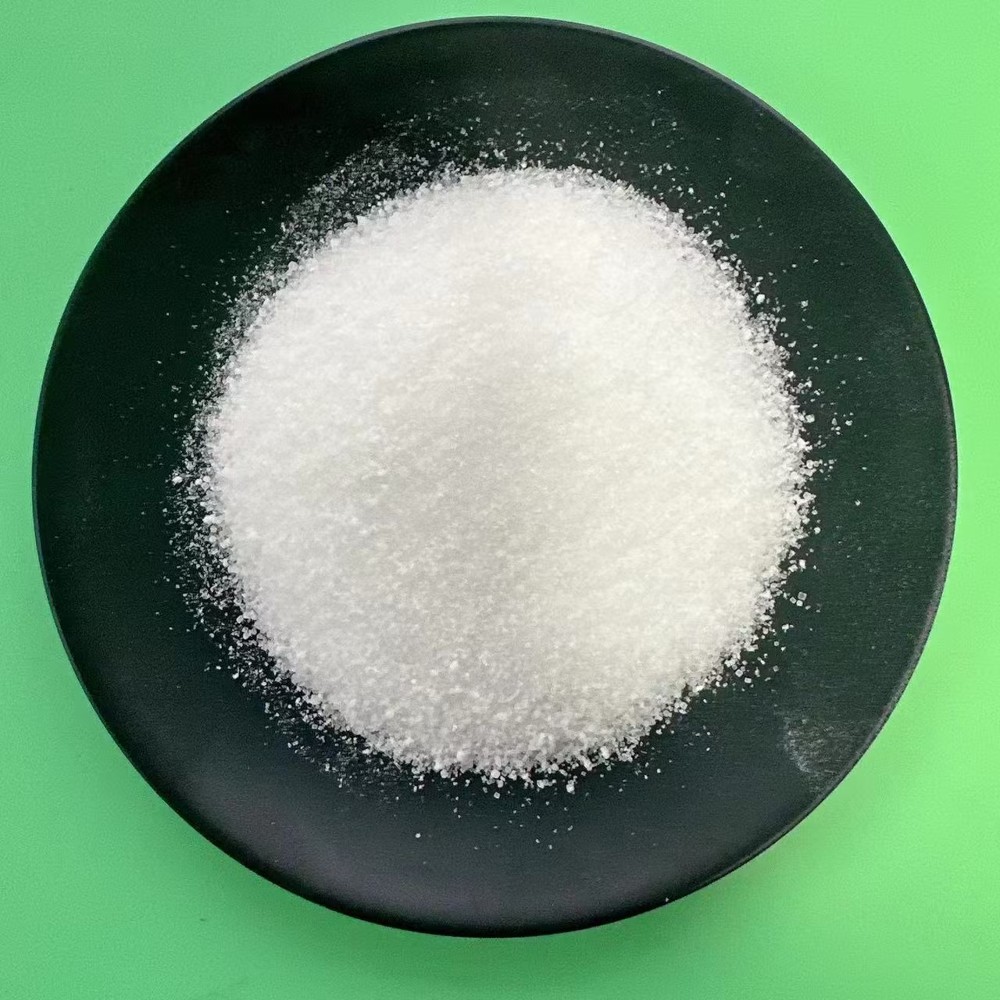

 Product Video
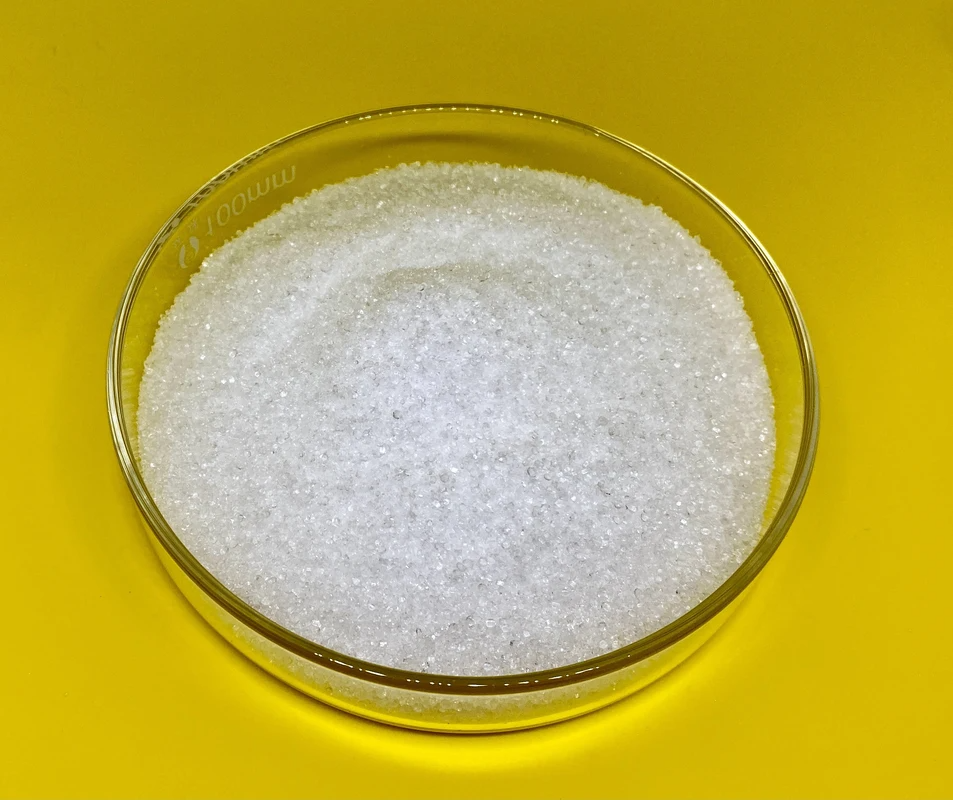
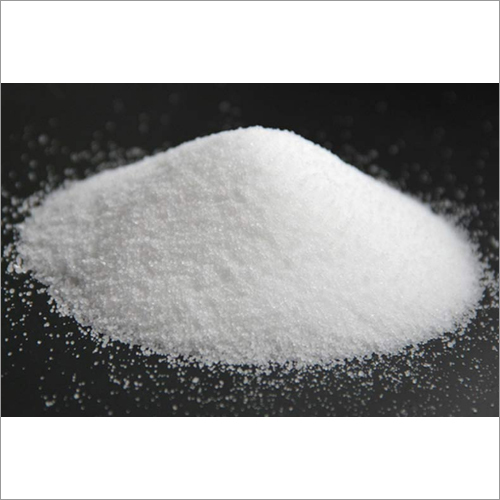
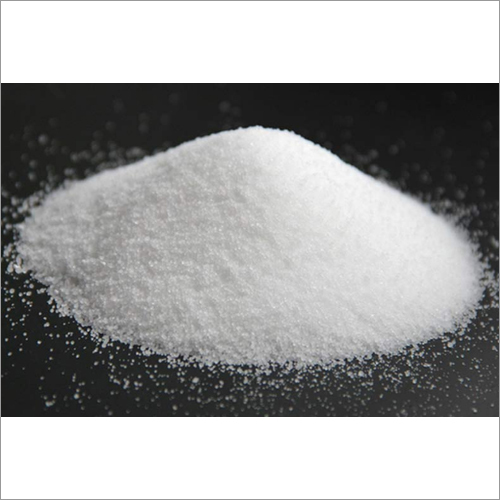
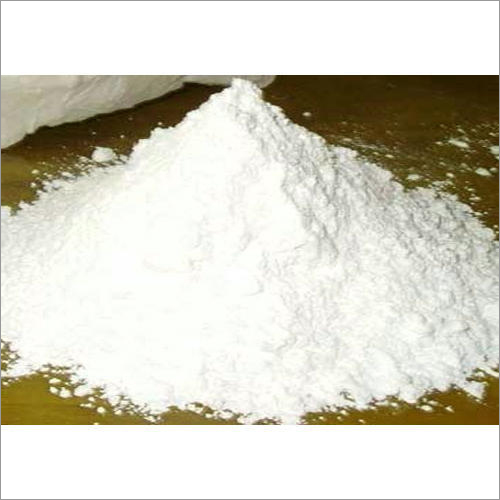
Mono Potassium Phosphate (MKP)
70 INR/Kilograms
Product Details:
- Structural Formula KH2PO4
- Melting Point Melting point 252.6 c. Soluble in water (90 deg C for 83.5g/4.6 ml water), aqueous solution is acidic, 1% potassium dihydrogen phosphate solution pH value.
- Storage Room Temperature
- HS Code 28352400
- Smell Other
- Molecular Weight 136.086 g/mol Grams (g)
- Form Powder
- Click to View more
X
Mono Potassium Phosphate (MKP) Price And Quantity
- 70 INR/Kilograms
- 500 Kilograms
Mono Potassium Phosphate (MKP) Product Specifications
- Melting point 252.6 c. Soluble in water (90 deg C for 83.5g/4.6 ml water), aqueous solution is acidic, 1% potassium dihydrogen phosphate solution pH value.
- 28352400
- Room Temperature
- 7778-77-0
- Industrial
- mono potassium phosphate
- KH2PO4
- No
- Powder
- 4.0 5.0
- Other
- Monopotassium phosphate is an ionic compound used for electrolyte replenishment and total parenteral nutrition (TPN) therapy. Monopotassium phosphate, MKP, (also potassium dihydrogenphosphate, KDP, or monobasic potassium phosphate), KH2PO4, is a soluble salt of potassium and the dihydrogen phosphate
- 136.086 g/mol Grams (g)
- Monopotassium phosphate (MKP) (also, potassium dihydrogenphosphate, KDP, or monobasic potassium phosphate) is the inorganic compound with the formula KH2PO4. Together with dipotassium phosphate (K2HPO4(H2O)x) it is often used as a fertilizer, food additive, and buffering agent.
- Other
- Approximately 52% of P2O5 and 34% of K2O
- 231-913-4
- KH2PO4
- 2.34 g/cm Gram per cubic centimeter(g/cm3)
- 100%
- 1.4864
- 400 C
- Monopotassium phosphate (MKP) (also, potassium dihydrogenphosphate, KDP, or monobasic potassium phosphate) is the inorganic compound with the formula KH2PO4. Together with dipotassium phosphate (K2HPO4(H2O)x) it is often used as a fertilizer, food additive, and buffering agent.
- ionic compound
- Other
Mono Potassium Phosphate (MKP) Trade Information
- Cash Advance (CA), Cash in Advance (CID), Cheque
- 100 Kilograms Per Day
- 1 Week
- No
- Free samples are available
- All India
- Bag
Product Description
Mono Potassium Phosphate
We are a top supplier of monopotassium phosphate, which is created at our facility utilising cutting-edge machinery that is well-liked by customers for its affordable rates. The production of this substance complies with the regulatory bodies' determination of the applicable international requirements. The substance is recognised for its solubility in water and is used to make agricultural fertilisers.
| Physical State | Powder |
| Packaging Details | 500gm bottle |
| Grade | Technical Grade |
| Form | Powder |
| CAS No | 7778-77-0 |
| Density | 2.34 g/cm Gram per cubic centimeter(g/cm3) |
| Molecular Formula | KH2PO4 |
Frequently Asked Questions
What is Monopotassium phosphate used for?
Ionic monopotassium phosphate is utilised in total parenteral nutrition (TPN) therapy for electrolyte replacement. The soluble salt of potassium and the dihydrogen phosphate ion is known as monopotassium phosphate (MKP), potassium dihydrogenphosphate (KDP), or monobasic potassium phosphate (KH2PO4).
What is mono potassium phosphate NPK?
Monopotassium phosphate, also known as potassium dihydrogen phosphate (KDP) or monobasic potassium phosphate (MKP), is a soluble salt that is used as a fungicide, fertiliser, and food ingredient. It is a potassium and phosphorus supplier.
Versatile Industrial Applications
Mono Potassium Phosphate (MKP) is recognized for its versatility across various industries. Particularly valued in agriculture as a fertilizer, MKP enhances crop nutrition by providing potassium and phosphorus. In industrial processes, it serves as a reliable buffering agent and electrolyte replenisher. Additionally, its use in total parenteral nutrition (TPN) therapy highlights its significance in medical and pharmaceutical fields, ensuring comprehensive nutrient delivery.
Optimal Chemical Properties
With a refractive index of 1.4864 and density of 2.34 g/cm3, MKP boasts superior physical and chemical stability. It melts at 252.6C and is highly soluble in water, ensuring easy integration into solutions for diverse applications. The compound remains stable at room temperature, facilitating convenient storage and handling in industrial and laboratory environments.
FAQ's of Mono Potassium Phosphate (MKP):
Q: How is Mono Potassium Phosphate (MKP) typically used in industrial applications?
A: MKP is mainly used in industries as an electrolyte replenisher, a buffering agent, and a nutrient source in fertilizer formulations. It also finds important use in the food industry as an additive and in pharmaceuticals for total parenteral nutrition (TPN) therapy.Q: What are the benefits of using MKP in total parenteral nutrition (TPN) therapy?
A: In TPN therapy, MKP provides essential potassium and phosphate ions, helping maintain electrolyte balance and supporting metabolic processes required for patient recovery, especially when oral nutrition is not possible.Q: When should Mono Potassium Phosphate be stored under specific conditions?
A: MKP should be stored at room temperature, away from moisture and contaminants, in order to preserve its physical and chemical stability for optimal performance in all applications.Q: Where can industries source high-purity Mono Potassium Phosphate?
A: Industries can obtain high-purity MKP from authorized distributors, exporters, importers, manufacturers, suppliers, and traders, especially in countries like India, where it is commercially available.Q: What is the process for dissolving MKP in water for use in solutions?
A: Because MKP is 100% water-soluble, simply add the powder to the required amount of water and stir gently. It readily dissolves, forming a clear, slightly acidic solution suitable for various applications such as nutrient solutions and TPN therapy.Q: How does the purity of MKP benefit agricultural or industrial formulations?
A: High-purity MKP delivers consistent levels of potassium (34% K2O) and phosphate (52% P2O5), ensuring reliable nutrient content for crops and consistent buffering or electrolyte supplementation in industrial and medical applications.Tell us about your requirement

Price:
Quantity
Select Unit
- 50
- 100
- 200
- 250
- 500
- 1000+
Additional detail
Mobile number
Email

Other Products in 'Industrial Chemicals' category

Contact Details
PARTH INDUSTRIES
GST : 24AADPY5559M1ZZ
GST : 24AADPY5559M1ZZ

- Plot No.1640/40, Gidc Sarigam, Near Phansa Chowkdi,Vapi - 396155, Gujarat, India
- Phone :08037735649

- Mr. Dipak Yagnik (Proprietor)
- Mr. Parth Industries (Director)
- Mobile :08037735649
- Send Inquiry
- Factory : Plot No 75 Opp Gokul Oil Mill G I D C Siddhpur 384151 Dist.Patan (North Gujarat)
 Send Inquiry
 Send Inquiry
 Send SMS
 |
PARTH INDUSTRIES
All Rights Reserved.(Terms of Use) Developed and Managed by Infocom Network Private Limited. |
